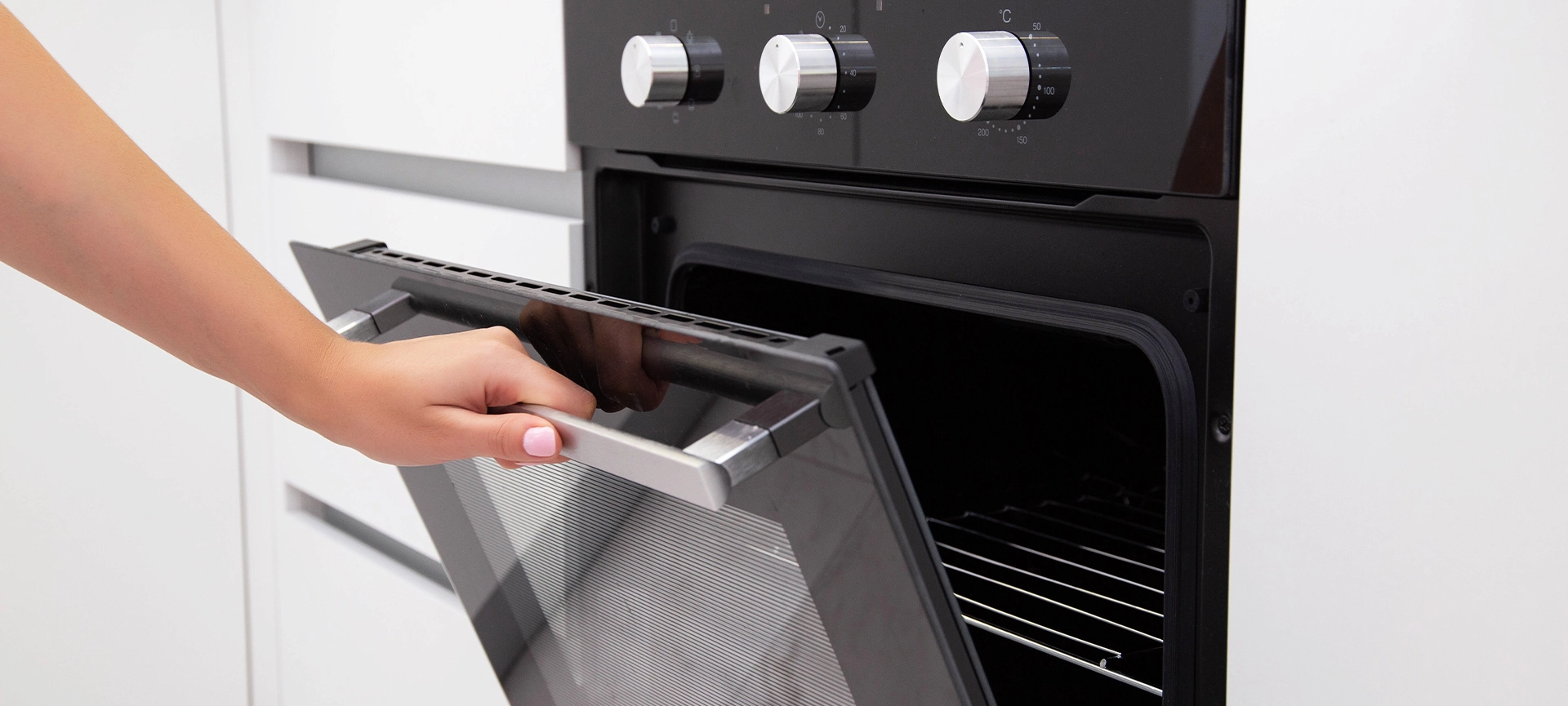




Imagine you’re baking cookies, but your kitchen feels more like a sauna, and those cookies won’t brown. Looks familiar? You might be dealing with a leaky oven door seal.
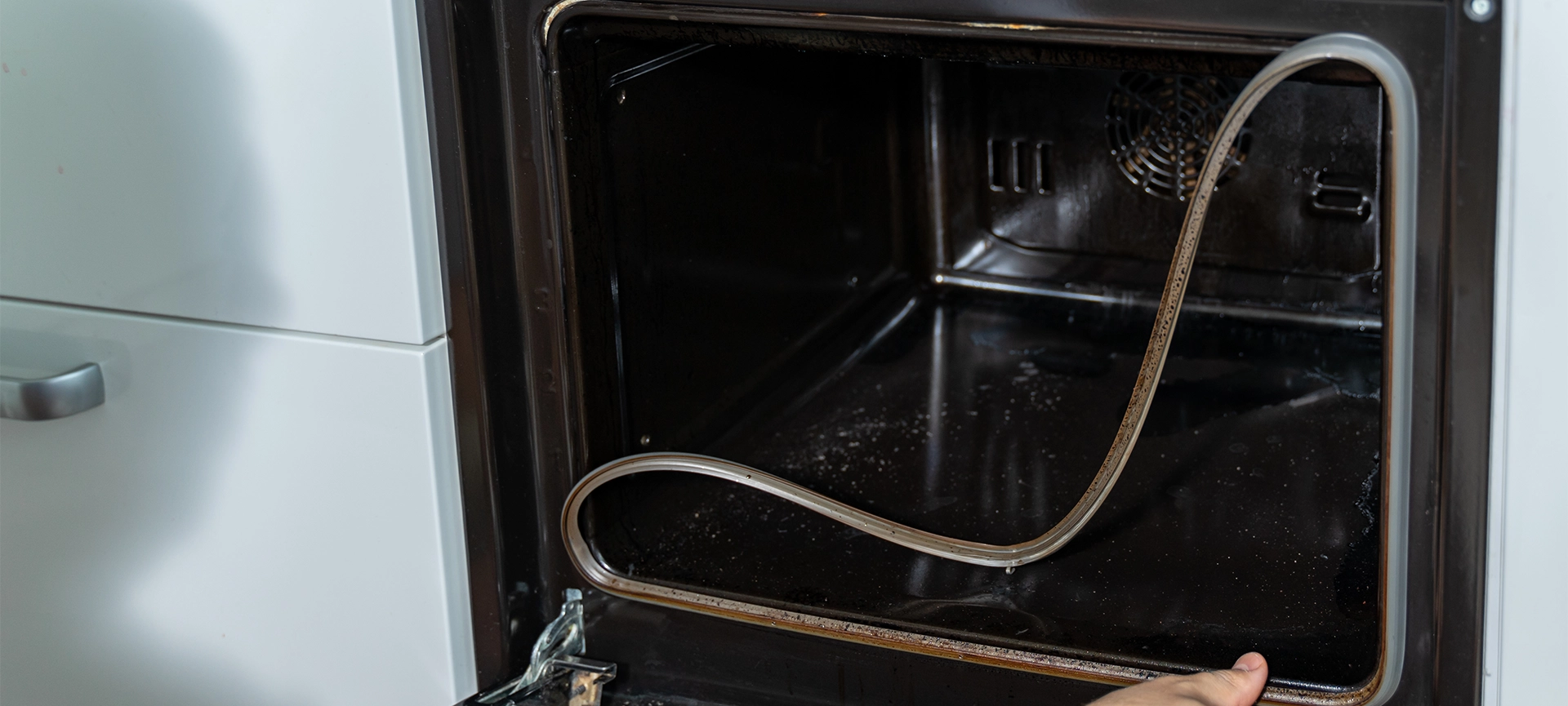
The oven door seal, also known as a gasket, is the rubbery strip that runs around the edge of your oven door. Its job is simple yet crucial: create an airtight seal to keep the heat inside where it belongs. When that seal fails, heat escapes, throwing off your cooking times, jacking up your energy bills, and even posing a safety risk.
A faulty seal can lead to excessive heat buildup on the oven’s exterior, increasing the risk of burns if you accidentally touch it. A leaky seal can even create a fire hazard in more severe cases.
But don’t panic! Leaky oven door seals are a common issue; in many cases, they’re easy to fix. In this guide, we’ll break down the causes of leaks, walk you through some DIY troubleshooting steps, and help you decide when to call the oven technicians.
Why a Good Seal Matters
That rubbery gasket around your oven door isn’t just there for show. It’s a workhorse, carefully designed to create an airtight seal that keeps the heat in your oven and the cool air out. This seal is crucial for several reasons.
-
Cooking Efficiency
A tight seal traps heat, allowing your oven to reach and maintain the desired temperature more quickly and consistently. This means your food cooks evenly and thoroughly, without cold spots or overdone edges.
-
Energy Savings
Without a proper seal, your oven has to work overtime to compensate for heat loss, driving up your energy bills. A well-maintained gasket helps keep those costs in check.
-
Safety
A leaky seal can cause excessive heat to build up outside the oven, posing a burn risk. Escaping heat can ignite nearby materials, creating a fire hazard.
So, if your oven door seal isn’t doing its job, it’s not just an inconvenience – it’s affecting your cooking, your wallet, and potentially your safety.
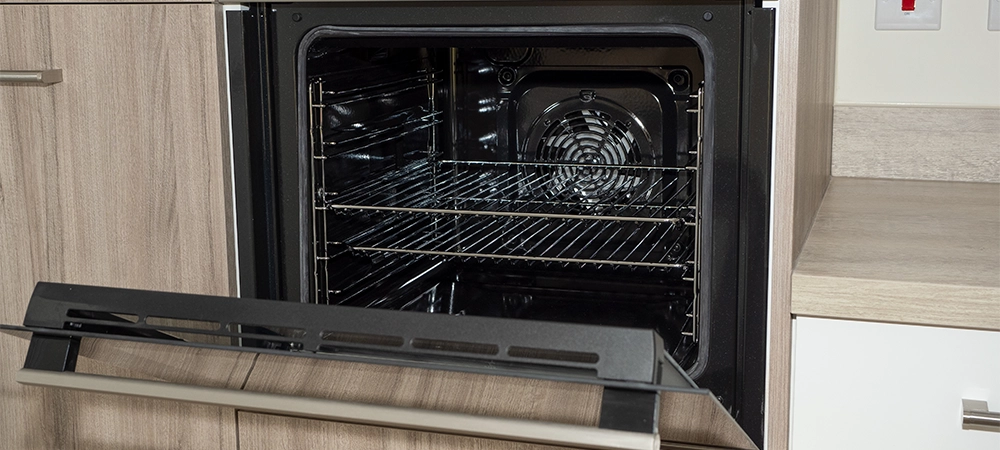
Common Causes of Leaky Oven Door Seals
Like any part of your oven, the door seal isn’t invincible. Several factors can contribute to leaks and reduced effectiveness.
The Test of Time
Just like us, oven door seals age. The constant exposure to heat and moisture eventually takes its toll, causing the rubber to become brittle, cracked, or misshapen.
Cleaning Mishaps
While keeping your oven clean is essential, harsh chemicals and abrasive scrubbing can damage the delicate gasket material.
Door Alignment Issues
If your oven door isn’t closing properly due to misaligned or damaged hinges, gaps can appear, allowing heat to escape.
Crumbly Culprits
Food spills and debris not cleaned up promptly can harden the gasket, creating uneven surfaces that compromise the seal.
Understanding these common culprits is the first step towards troubleshooting and fixing your leaky oven door seal.
Related Article: Oven Repair in Kitchener: Understanding Common Oven Faults and Fixes
DIY Troubleshooting: Can You Fix It Yourself?
Before you call for reinforcements, here are a few simple steps you can take to try and tackle that leaky seal yourself:
The Eyeball Test
- Open the oven door and take a good look at the gasket. Is it cracked, torn, or brittle, or are there any missing chunks? Even small imperfections can compromise the seal.
- Check the corners carefully, as they tend to wear out first.
- If the gasket looks visibly damaged, it likely needs replacing.
A Gentle Cleaning
- A thorough cleaning can sometimes improve its seal even if your gasket isn’t damaged.
- Mix a solution of mild dish soap and warm water.
- Dip a soft cloth or sponge into the solution and gently wipe down the gasket. Avoid harsh chemicals or abrasive scrubbers, as these can damage the rubber.
- Rinse the gasket with a clean, damp cloth and dry it thoroughly.
Related Article: A Comprehensive Guide on How to Self-Clean Different Types of Ovens
Checking the Door’s Alignment
- Close the oven door slowly and observe how it fits into the frame. Are there any gaps? Does it seem to catch or not close evenly?
- If you notice any alignment issues, the hinges might need adjusting. Refer to your oven’s manual for specific instructions, as the process can vary between models. If you’re uncomfortable adjusting the hinges, it’s best to call a professional.
If these DIY troubleshooting steps don’t solve the problem, or if you’re unsure about any of them, don’t hesitate to reach out to Prime Appliance Repairs. We’re happy to assess the situation and recommend the best action.
When DIY Isn’t Enough: Call in the Professionals
While we encourage the DIY spirit, there are times when fixing your oven door seal requires professional expertise. If you encounter any of the following, it’s best to call the oven repair experts at Prime Appliance Repairs.
- Severe Gasket Damage: If your gasket is torn, cracked, or missing pieces, it’s time for a replacement.
- Warped Door: A warped oven door won’t seal properly, even with a new gasket. Professional adjustment or replacement might be necessary.
- Persistent Leaks: A deeper issue might require a professional diagnosis if heat still escapes after cleaning and troubleshooting.
- Lack of Confidence: If you’re uncomfortable disassembling your oven or working with electrical components, don’t hesitate to the ones that can handle it better.

Preventing Future Leaks
A little TLC goes a long way in preserving your oven door seal and preventing future leaks.
Gentle Cleaning
After each use, wipe down the gasket with a damp cloth to remove spills or crumbs. Avoid harsh chemicals, as they can degrade the rubber over time.
Mind Your Manners
Don’t slam the oven door! The impact can damage the gasket and hinges. And resist the urge to use the handle as leverage to pull the door open – this can also put unnecessary stress on the seal.
Regular Inspection
Every few months, take a moment to inspect the gasket for signs of wear and tear. Look for cracks, tears, or any areas where the seal might be compromised. Catching issues early can prevent more significant problems down the road.
Seal the Deal: Your Oven’s Safety and Efficiency Depend on It
A properly functioning oven door seal isn’t just a minor detail – it’s essential for safe, efficient, and enjoyable cooking. By understanding the common causes of leaks and following our simple maintenance tips, you can keep your oven running at its best and avoid the hassle and expense of major repairs.
Remember, if you encounter any issues you can’t resolve, don’t hesitate to contact Prime Appliance Repairs. We’re always here to help with your oven repair needs, ensuring your kitchen stays safe and functional for years.